
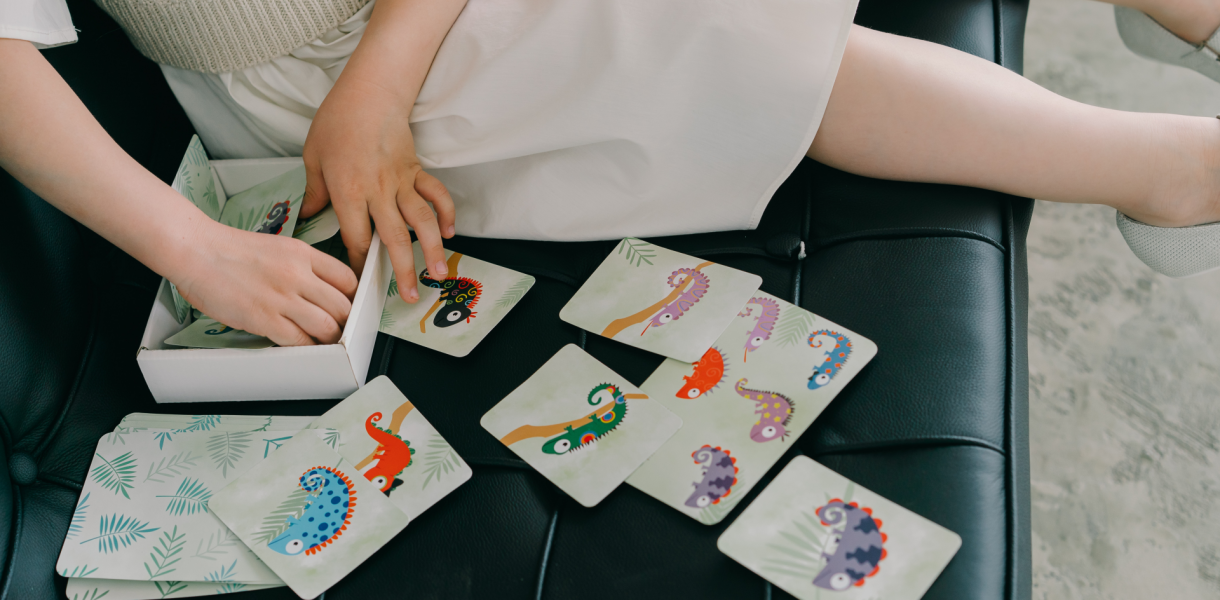
Play Therapy is a play-based method for helping children and adolescents with behavioural and emotional problems to help themselves. Unlike adult therapies where the focus is on talking, Play Therapy enables children to explore issues creatively using play, their natural form of communication. Adults can also benefit from Play Therapy which is creative and imaginative rather than cognitive, making it a great tool for building resilience and coping with and resolving difficulties. The therapist takes a non-directive role giving the client support and a safe environment in which to work through issues.
How does Play Therapy work?
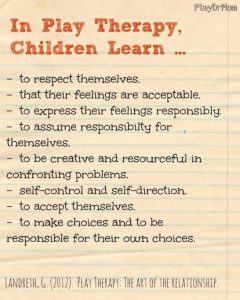
Creating a warm and empathetic therapeutic relationship and safe environment are essential. Unlike school and home, Play Therapy is able to offer something different as the child is free to choose which resources to play with and how, without even needing to tidy up!
This can be immensely satisfying and fun and is a key step in giving children the confidence, self-belief and coping strategies to help change their lives.
Sessions typically last 40 minutes and take place on the same day and time each week. Confidentiality is vital so the therapist will only disclose details if there is a safeguarding concern.
Who can benefit?
Play Therapy is suitable for all children including those with learning, physical and sensory impairments. It can help alleviate many emotional and behavioural problems, including children who are:
- Not realising their full potential academically or socially
- At risk of being excluded from school
- Unhappy or having friendship problems
- Having nightmares or disturbed sleep
- Suffering as a result of trauma
- Victims of neglect or emotional, physical or sexual abuse.
- Witnesses of domestic violence or substance misuse
- Autistic, have ADHD, life limiting illnesses or disabilities
- Experiencing transitional, behavioural or anger management problems
- Being bullied or are bullying
- Adopted or Fostered
- Suffering because of separated/ divorced parents
- Suffering from anxiety, stress, or phobias
- Have low self-esteem
- Suffering from a loss or bereavement
- Wishes and Feelings Work
Working creatively helps clients recognise, understand and appropriately express their emotions as well as developing positive strategies for taking control. While educational attainment is not the key focus, play therapy contributes to this as it supports children’s move from a fight or flight state to a just right state wherein they are ready to learn.